<?xml version="1.0" encoding="utf-8" ?>
<rdf:RDF xmlns:rdf="http://www.w3.org/1999/02/22-rdf-syntax-ns#" xmlns:dc="http://purl.org/dc/elements/1.1/" xmlns:syn="http://purl.org/rss/1.0/modules/syndication/" xmlns="http://purl.org/rss/1.0/">


<channel rdf:about="https://dev.kahea.org/search_rss">
  <title>KAHEA</title>
  <link>https://dev.kahea.org</link>

  <description>
    
            These are the search results for the query, showing results 1 to 15.
        
  </description>


  <image rdf:resource="https://dev.kahea.org/logo.png"/>

  <items>
    <rdf:Seq>
      
        <rdf:li rdf:resource="https://dev.kahea.org/blog/a-sea-change-film-on-ocean-acidification"/>
      
      
        <rdf:li rdf:resource="https://dev.kahea.org/blog/draft-science-plan-public-hearing-grandfathering-in-permitted-activities"/>
      
      
        <rdf:li rdf:resource="https://dev.kahea.org/blog/kahea-sues-state-to-protect-nwhi"/>
      
      
        <rdf:li rdf:resource="https://dev.kahea.org/blog/holding-the-navy-accountable-on-two-fronts"/>
      
      
        <rdf:li rdf:resource="https://dev.kahea.org/blog/499"/>
      
      
        <rdf:li rdf:resource="https://dev.kahea.org/blog/are-they-hoping-nobody-would-notice"/>
      
      
        <rdf:li rdf:resource="https://dev.kahea.org/blog/but-we-knew-that-already"/>
      
      
        <rdf:li rdf:resource="https://dev.kahea.org/blog/evan-in-honolulu-advertiser-concerns-persist-over-nwhi-plan"/>
      
      
        <rdf:li rdf:resource="https://dev.kahea.org/blog/15-more-days-to-speak-up-for-some-of-hawaiis-last-intact-coral-reefs"/>
      
      
        <rdf:li rdf:resource="https://dev.kahea.org/blog/wheres-the-public-in-this-public-process"/>
      
      
        <rdf:li rdf:resource="https://dev.kahea.org/blog/enforcement-means-everybody-folks"/>
      
      
        <rdf:li rdf:resource="https://dev.kahea.org/blog/conservation-plan-more-impacts-we-dont-get-it"/>
      
      
        <rdf:li rdf:resource="https://dev.kahea.org/blog/uncle-buzzy-calls-for-renewed-committment-to-puuhonua-sundays-star-bulletin"/>
      
      
        <rdf:li rdf:resource="https://dev.kahea.org/blog/being-heard-yup-it-feels-good"/>
      
      
        <rdf:li rdf:resource="https://dev.kahea.org/blog/its-about-respect-man"/>
      
    </rdf:Seq>
  </items>

</channel>


  <item rdf:about="https://dev.kahea.org/blog/a-sea-change-film-on-ocean-acidification">
    <title>A Sea Change--film on ocean acidification</title>
    <link>https://dev.kahea.org/blog/a-sea-change-film-on-ocean-acidification</link>
    <description></description>
    <content:encoded xmlns:content="http://purl.org/rss/1.0/modules/content/"><![CDATA[<script type="text/javascript" src="http://s0.wp.com/wp-content/plugins/adverts/adsense.js?m=1263013572g&1"></script><p><em>From Alana:</em></p>
<p>On Thursday night, a film entitled <em>A Sea Change, </em>was shown&#160;at the Bishop Museum. It addressed the much ignored by-product of climate change, ocean acidification. Ocean acidification is, arguably, the most dire consequence of adding ridiculous amounts of carbon dioxide to the air.&#160;</p>
<p>For years, the ocean has been absorbing extra CO2 from the air, a total of 118 billion metric tons of it. Adding 22 billion pounds of CO2 to the ocean each day is severely changing the chemistry of the water. But what is wrong with the pH of the ocean lowering by .1, or .01, or even .001? It may not seem like much to us, but any change affects what all life depends on most: the creatures at the bottom of the ocean food chain, namely pteropods. Pteropods are moth-like, transparent creatures, that seem to fly in the deep ocean. They are the food for a myriad of creatures, which in turn are the food source for hundreds of other creatures, that humans then feed on. Increased amounts of CO2, though, are causing the pteropods&#8217; calciferous shells to disintegrate. This threatens the <em>entire food chain.</em></p>
<p>Scientists have underestimated the magnitude and haste of climate change. They &#160;assert that we are past the point where we can stop the extinctions that will come with the disappearance of pteropods and coral. This situation is so extreme that within a few centuries humans could be all but extinct as well. As one scientist simply exclaims, &#8220;we&#8217;re screwed&#8221;.</p>
<p>&#160;The thing that disgusts me most about all of this, though, is that we could have solved it by now. It would only cost TWO PERCENT &#160;of our GDP to solve the energy crisis. It can be argued that 2% of GDP is a lot of money, but I think it might be a good asking price for ensuring the continuation of our survival as a species, and the survival of the animals we depend on. To put this in perspective, enough photovoltaic cells could have been built to power the entire United States with only $420 billion&#8211;HALF of the Iraq war budget.</p>
<p>A big hurdle that the public has to face is simply realizing how much we rely on the ocean, and that it is in fact possible for us to change something that big. Most people accept the fact that the ice is melting, but continually deny that life is endangered because of human activity. One woman in the film says,</p>
<blockquote><p>&#8220;We are a very visual species. What is below water is invisible to us. What we can&#8217;t see, we pollute&#8230; because it doesn&#8217;t exist to us.&#8221;</p></blockquote>
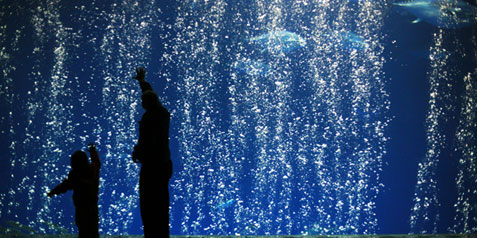
<p>So what can we do about this? The main thing to do is just analyze your lifestyle and make sure that what you do doesn&#8217;t add to this serious problem. Venture capitalists have the choice of going down the alley of exploitation as easily as the alley of sustainability. The government owes it to everyone to do something about this. This type of problem will threaten national security, the world food supply, etc, so when is anyone going to do something about this in terms of strong legislation&#8211; or creating an actual plan of action?? Depending on your age, you may not see the effects, but it is real. It is not going away. I know that there will not only be a sea change in my lifetime, but a world of change.<img src="/kahea/kahea/images/sea_change_a1.jpg" title="sea_change_a" height="238" width="477" alt="sea_change_a" class="alignnone size-full wp-image-972" /></p>
<!--adcode-->
<div align="center" style="padding-top: 5px; text-align: left;" class="adcode">
<script type="text/javascript"><!--
google_ad_client = "pub-3443918307802676";
google_ad_output = "js";
google_feedback = "on";
google_max_num_ads = "4";
google_ad_width = 336;
google_ad_height = 280;
google_ad_format = "336x280_as";
google_image_size = "336x280";
google_ad_type = "text,flash,html";
google_ad_channel ="7770228814+6875057225+7401333398+7453468586+6836619467";
var color_bg = 'ffffff';
var color_text = '000000';
var color_link = '265E15';
var color_border = 'ffffff';
var color_url = '265E15';

google_analytics_domain_name = "none";
//--></script><script type="text/javascript" src="http://pagead2.googlesyndication.com/pagead/show_ads.js"></script></div>
<div style="clear: both"><br /></div>
<!--/adcode-->
									]]></content:encoded>
    <dc:publisher>No publisher</dc:publisher>
    <dc:creator>alanakahea</dc:creator>
    <dc:rights></dc:rights>
    
      <dc:subject>climate change</dc:subject>
    
    
      <dc:subject>conservation</dc:subject>
    
    
      <dc:subject>coral</dc:subject>
    
    
      <dc:subject>endangered species</dc:subject>
    
    
      <dc:subject>island sustainability</dc:subject>
    
    
      <dc:subject>legislature</dc:subject>
    
    
      <dc:subject>ocean protection</dc:subject>
    
    
      <dc:subject>other</dc:subject>
    
    
      <dc:subject>sustainability</dc:subject>
    
    <dc:date>2009-07-25T19:36:17Z</dc:date>
    <dc:type>Blog Entry</dc:type>
  </item>


  <item rdf:about="https://dev.kahea.org/blog/draft-science-plan-public-hearing-grandfathering-in-permitted-activities">
    <title>Draft Science Plan Public Hearing:  Grandfathering-in Permitted Activities</title>
    <link>https://dev.kahea.org/blog/draft-science-plan-public-hearing-grandfathering-in-permitted-activities</link>
    <description></description>
    <content:encoded xmlns:content="http://purl.org/rss/1.0/modules/content/"><![CDATA[<script type="text/javascript" src="http://s0.wp.com/wp-content/plugins/adverts/adsense.js?m=1263082597g&1"></script><p><em>From:&#160; Andrea</em></p>
<p>Last night at the public hearing on the Draft Science Plan for Papahanaumokuakea Marine National Monument, held at the monument office in Hawaii Kai, a troubling consequence of the lack of environmental review was elucidated.</p>
<p>One of the Science Plan authors stated that research activities that have already been permitted are assumed to have gone through a &#8220;rigorous&#8221; review by management.&#160; The problem?</p>
<p>Actually, there could be quite a few from this muddy statement.&#160; For one, this statement suggests that research activities that have already been permitted will not be scrutinized- nor, certainly, environmentally assessed- in the future.&#160; It sounds like grandfathering-in existing and previous permits, meaning some activities that have been permitted in the past will be continuously assumed to pass muster, despite never actually being environmentally reviewed.</p>
<p>Clearly, grandfathering-in research activities so that they never undergo environmental review creates informational ravines that make cumulative impact analysis impossible.&#160; Cumulative impacts, the incremental impacts of an action when added to other past, present, and reasonably foreseeable future action, must be assessed.&#160; The managers need to understand the big picture, especially when making seemingly small decisions like permitting.</p>
<p>Secondly, what is this &#8220;rigorous&#8221; review that the manager mentioned?&#160; There has been no environmental assessment on any permits nor the entire permitting system nor the Science Plan, so it clearly was not environmental review.&#160; If this rigorous review were undertaken via the prioritization system of the Science Plan, that, too, is problematic.</p>
<p>As I have blogged before, the Science Plan has two tragic flaws:&#160; (1)&#160; the prioritization scheme that doesn&#8217;t actually prioritize permit activities (To prioritize permit activities, it asks, pros and&#8230;pros?, leading to 97% of potential research activities to be ranked as &#8220;critical&#8221; or &#8220;high&#8221; in importance.) and (2)&#160; the lack of environmental review.</p>
<p>But, the environmental assessment did not come with the Science Plan.&#160; The managers argue that this is the draft plan, so environmental assessment is not appropriate now.&#160; However, they also proclaim the plan to be an evolving document- not problematic necessarily.&#160; The evolving nature of the plan is problematic, however, for lack of environmental review because, if it is meant to evolve, when would the managers consider environmental review appropriate? There could always be an argument that it is not truly finalized yet if it&#8217;s an &#8220;evolving&#8221; document.</p>
<p>On the other side, if the monument managers, in fact, conduct an environmental assessment for the Final Science Plan, which is the next step after last night&#8217;s public hearing, the decision on permitting prioritization will have been made.&#160; And, environmental assessment is legally required to take place <em>prior to</em> decision-making.&#160; The whole point of environmental review is for decision-makers to be informed of environmental impacts before they make final decisions.</p>
<p>So, either the Science Plan truly is an evolving document, in which case an environmental review is likely to be put off forever.&#160; Or, the Science Plan will be finalized in the next step, the Final Science Plan, which frustrates the point of environmental review taking place before decisions are made.</p>
<p>Confusing?&#160; Yes.&#160; But it need not be.</p>
<p>KAHEA urges the monument managers to take the straightforward approach by conducting environmental review of the Science Plan, which guides the entire permitting process, prior to finalization of the plan.&#160; KAHEA also urges environmental review of all permits- no grandfathering-in.&#160; Each proposed permit should be looked at with a fresh eye, through the lens of cumulative impacts, which inherently change over time.</p>
<p>Let&#8217;s hope that public comments are indeed incorporated into the Final Science Plan, whenever that may be.&#160; Otherwise, the one-sided prioritization system will continue to rank most activities high, leading to excessive access and impact in a fragile, irreplaceable ecosystem.</p>
<p>What can you do?&#160; Speak up!</p>
<p>Last public hearing on the Science Plan&#160; is in Hilo tomorrow:</p>
<p><strong>Hawai&#8216;i, July 23th, 6-8 p.m.</strong><br />
Mokupapapa Discovery Center,<br />
308 Kamehameha Ave, Suite 203, Hilo, HI, 96720.</p>
<p><strong>All written public comments must be received by the monument managers by or before August 10.</strong></p>
<p><strong>&#8226; U.S. Mail: </strong><br />
Papahanaumokuakea Marine National Monument, Attn: Science Plan Comments, 6600 Kalaniana&#8216;ole Hwy, Suite 300, Honolulu HI, 96825</p>
<p><strong>&#8226; E-mail:</strong> nwhicomments@noaa.gov.</p>
<p>To read the plan:</p>
<p><a href="http://papahanaumokuakea.gov/research/plans/draft_natressciplan.pdf">http://papahanaumokuakea.gov/research/plans/draft_natressciplan.pdf</a></p>
<p>(It takes a few minutes to download, but once you&#8217;re there, skip to page 10 for the prioritization chart.)</p>

<!--adcode-->
<div align="center" style="padding-top: 5px; text-align: left;" class="adcode">
<script type="text/javascript"><!--
google_ad_client = "pub-3443918307802676";
google_ad_output = "js";
google_feedback = "on";
google_max_num_ads = "4";
google_ad_width = 336;
google_ad_height = 280;
google_ad_format = "336x280_as";
google_image_size = "336x280";
google_ad_type = "text,flash,html";
google_ad_channel ="7770228814+6875057225+7401333398+7453468586+6836619467";
var color_bg = 'ffffff';
var color_text = '000000';
var color_link = '265E15';
var color_border = 'ffffff';
var color_url = '265E15';

google_analytics_domain_name = "none";
//--></script><script type="text/javascript" src="http://pagead2.googlesyndication.com/pagead/show_ads.js"></script></div>
<div style="clear: both"><br /></div>
<!--/adcode-->
									]]></content:encoded>
    <dc:publisher>No publisher</dc:publisher>
    <dc:creator>andreaaseff</dc:creator>
    <dc:rights></dc:rights>
    
      <dc:subject>Hawaiian Monk Seal</dc:subject>
    
    
      <dc:subject>NWHI</dc:subject>
    
    
      <dc:subject>Northwest Hawaiian Islands</dc:subject>
    
    
      <dc:subject>activism</dc:subject>
    
    
      <dc:subject>beaches</dc:subject>
    
    
      <dc:subject>conservation</dc:subject>
    
    
      <dc:subject>coral</dc:subject>
    
    
      <dc:subject>cultural rights</dc:subject>
    
    
      <dc:subject>endangered species</dc:subject>
    
    
      <dc:subject>environmental justice</dc:subject>
    
    
      <dc:subject>hawaii</dc:subject>
    
    
      <dc:subject>hearing</dc:subject>
    
    
      <dc:subject>island sustainability</dc:subject>
    
    
      <dc:subject>land and cultural rights</dc:subject>
    
    
      <dc:subject>malama</dc:subject>
    
    
      <dc:subject>management</dc:subject>
    
    
      <dc:subject>marine protected area</dc:subject>
    
    
      <dc:subject>monk seals</dc:subject>
    
    
      <dc:subject>northwestern hawaiian islands</dc:subject>
    
    
      <dc:subject>ocean</dc:subject>
    
    
      <dc:subject>ocean protection</dc:subject>
    
    
      <dc:subject>oceans</dc:subject>
    
    
      <dc:subject>other</dc:subject>
    
    
      <dc:subject>shoreline</dc:subject>
    
    
      <dc:subject>superferry</dc:subject>
    
    
      <dc:subject>sustainability</dc:subject>
    
    
      <dc:subject>whales</dc:subject>
    
    <dc:date>2009-07-23T03:24:44Z</dc:date>
    <dc:type>Blog Entry</dc:type>
  </item>


  <item rdf:about="https://dev.kahea.org/blog/kahea-sues-state-to-protect-nwhi">
    <title>KAHEA SUES STATE TO PROTECT NWHI</title>
    <link>https://dev.kahea.org/blog/kahea-sues-state-to-protect-nwhi</link>
    <description></description>
    <content:encoded xmlns:content="http://purl.org/rss/1.0/modules/content/"><![CDATA[<script type="text/javascript" src="http://s0.wp.com/wp-content/plugins/adverts/adsense.js?m=1253160243g&1"></script><p style="text-align:center;"><strong>KAHEA Suit Asks Court to Enforce Law On Permits</strong></p>
<blockquote>
<p style="text-align:center;">Complaint Follows Whistleblower Suit By State Worker</p>
<p style="text-align:center;">&#8220;This is not the wild west; there are laws here.&#8221;</p>
</blockquote>
<p><em>From Stewart:</em></p>
<p><span style="font-family:'Times New Roman', 'Times New Roman', 'Bitstream Charter', Times, 0;"><span style="font-size:x-small;"><span style="font-family:Georgia, 'Times New Roman', 'Bitstream Charter', Times, fantasy;font-size:small;"><span>The Northwestern Hawaiian Islands are known around the globe as one of the world&#8217;s last intact, fully functional marine ecosystems. &#160;They are home to highly endangered Hawaiian monk seals and the birthplace of more than ninety percent of threatened green sea turtles. &#160;Thousands of people participated in the establishment of the islands as the Papahanaumokuakea Marine National Monument, which led state and federal regulators to commit to a &#8220;do no harm&#8221; policy for all human activities allowed in the monument. &#160;The monument is intended to be one of the most protected places on earth, with access strictly limited by the do-no-harm policy and applicable state and federal laws.</span></span></span></span></p>
<p>Despite these protections, the state of Hawaii Department of Land and Natural Resources and the Division of Aquatic Resources have ignored their legal obligations when permitting activities in the reserve. &#160;The agencies have brushed aside KAHEA&#8217;s repeated objections to the agency&#8217;s practices. &#160;And when a lawyer working as a policy specialist to the Division of Aquatic Resources dared point out that the division was failing to follow the law the law, <a href="http://www.honoluluadvertiser.com/article/20090709/NEWS11/907090332/-1/RSS02?source=rss_localnews">the division responded by firing the lawyer</a>.</p>
<p>KAHEA has decided enough is enough.</p>
<p><a href="//www.kahea.org/nwhi/pdf/KAHEA_v._DLNR.pdf">The organization today filed suit against the department and division; the complaint asks the court to require the state agencies to comply with the law.</a></p>
<p>&#8220;This is a place of enormous cultural significance of the Hawaiian people and is intended to be one of the world&#8217;s most protected places,&#8221; said Marti Townsend, program director and staff attorney for KAHEA. &#8220;It is unfortunate that the agencies have forced us to take legal action simply to get the agencies to follow the law, but they left us no choice.&#8221;</p>
<p>&#8220;This is not the wild west; there are laws here. Laws that are meant to protect our natural resources and the best interests of Hawaii&#8217;s people,&#8221; said Kumu Hula Vicky Holt-Takamine, KAHEA&#8217;s Board President. &#8220;DLNR must follow these laws.&#8221;</p>

<!--adcode-->
<div align="center" style="padding-top: 5px; text-align: left;" class="adcode">
<script type="text/javascript"><!--
google_ad_client = "pub-3443918307802676";
google_ad_output = "js";
google_feedback = "on";
google_max_num_ads = "4";
google_ad_width = 336;
google_ad_height = 280;
google_ad_format = "336x280_as";
google_image_size = "336x280";
google_ad_type = "text,flash,html";
google_ad_channel ="7770228814+6875057225+7401333398+7453468586+7250744022+5144442595+7814133392+2794543176";
var color_bg = 'ffffff';
var color_text = '000000';
var color_link = '265E15';
var color_border = 'ffffff';
var color_url = '265E15';

google_analytics_domain_name = "none";
//--></script><script type="text/javascript" src="http://pagead2.googlesyndication.com/pagead/show_ads.js"></script></div>
<div style="clear: both"><br /></div>
<!--/adcode-->
									]]></content:encoded>
    <dc:publisher>No publisher</dc:publisher>
    <dc:creator>Stewart</dc:creator>
    <dc:rights></dc:rights>
    
      <dc:subject>Hawaiian Monk Seal</dc:subject>
    
    
      <dc:subject>NWHI</dc:subject>
    
    
      <dc:subject>Northwest Hawaiian Islands</dc:subject>
    
    
      <dc:subject>activism</dc:subject>
    
    
      <dc:subject>conservation</dc:subject>
    
    
      <dc:subject>coral</dc:subject>
    
    
      <dc:subject>cultural rights</dc:subject>
    
    
      <dc:subject>culture</dc:subject>
    
    
      <dc:subject>fisheries</dc:subject>
    
    
      <dc:subject>island sustainability</dc:subject>
    
    
      <dc:subject>land and cultural rights</dc:subject>
    
    
      <dc:subject>marine protected area</dc:subject>
    
    
      <dc:subject>ocean</dc:subject>
    
    
      <dc:subject>ocean protection</dc:subject>
    
    
      <dc:subject>oceans</dc:subject>
    
    
      <dc:subject>shoreline</dc:subject>
    
    <dc:date>2009-07-22T05:22:20Z</dc:date>
    <dc:type>Blog Entry</dc:type>
  </item>


  <item rdf:about="https://dev.kahea.org/blog/holding-the-navy-accountable-on-two-fronts">
    <title>Holding the Navy Accountable on Two Fronts</title>
    <link>https://dev.kahea.org/blog/holding-the-navy-accountable-on-two-fronts</link>
    <description></description>
    <content:encoded xmlns:content="http://purl.org/rss/1.0/modules/content/"><![CDATA[<script type="text/javascript" src="http://s0.wp.com/wp-content/plugins/adverts/adsense.js?m=1271437555g&1"></script><p><em>From Marti:<img src="/kahea/kahea/images/artf.jpg" title="Lualualei along the Waianae Coast" height="197" width="300" alt="Lualualei along the Waianae Coast" class="alignright size-medium wp-image-696" /></em></p>
<p>The Navy has been on the hot seat lately for the damage it has caused in Hawaii nei.&#160; In central and western Oahu, the Environmental Protection Agency and the state got a commitment from the Navy to clean up any remaining contamination at two Superfund sites &#8211; one in Lualualei near the naval munitions storage area and the other in Wahiawa.&#160;While preliminary investigations have indicated that no immediate threats currently exist at the sites, soil contaminants at the sites include PCBs, volatile organics, semi-volatile organics and metals. PCBs can cause cancer in animals and adversely affect the nervous, immune, and endocrine systems in humans.</p>
<blockquote><p><em> &#8220;Our agreement with the Navy and the state finalizes the process that the Navy will follow to complete the investigation and clean up of any remaining chemical contamination at both sites.&#8221; said Keith Takata, director for the EPA Pacific Southwest Region&#8217;s Superfund Division. </em></p></blockquote>
<p>The agreement with the Navy is open to public comment.&#160; Get your say in now by visiting: <a href="www.epa.gov/region09/NavalComputer">www.epa.gov/region09/NavalComputer</a></p>
<p>Check out the full article at <em>The Hawaii Independent</em>: <a href="http://www.thehawaiiindependent.com/hawaii/oahu/2009/04/02/epa-us-navy-agrees-to-clean-wahiawa-lualualei-superfund-sites/">http://www.thehawaiiindependent.com/hawaii/oahu/2009/04/02/epa-us-navy-agrees-to-clean-wahiawa-lualualei-superfund-sites/</a></p>
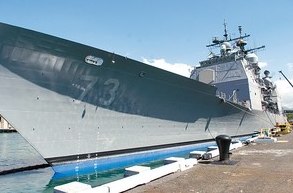
<p><img src="/kahea/kahea/images/bilde-1.jpg" title="Broken coral reef from the USS Port Royal" height="168" width="298" alt="Broken coral reef from the USS Port Royal" class="alignleft size-full wp-image-697" />And, on the South shore of Oahu, controversy is brewing as the state attempts to hold the Navy financially responsible for the carnage of coral from the USS Port Royal grounding in February 2009.&#160; Ten acres of ancient coral was destroyed!&#160; Chunks as large as cars are still bouncing around on the ocean floor causing further damage.</p>
<blockquote><p><em>&#8220;There is a critical need for the U.S. Navy to mitigate the damage which has occurred, which continues to occur, and which will get worse with the upcoming south summer swell,&#8221; said Laura H. Thielen, chairwoman of the DLNR, in the letter.</em></p>
<p><em>&#8220;We urge the U.S. Navy to commit appropriate resources to rescue disturbed or destroyed coral, remove or stabilize rubble, and protect loose live coral that has resulted from this incident.&#8221;</em></p></blockquote>
<p>Here, here!!&#160; Systems that ensure the &#8220;polluter pays&#8221; are a completely reasonable (and actually quite capitalist) approach to addressing damage to our environment.&#160; The Navy&#8217;s negligence destroyed a significant part of our ocean environment. They should be required to pay for the injury they have caused and do all they can to prevent further damage.</p>
<p>What the Navy does in this situation will be a key indication of what the public can expect from their activities affecting the Papahanaumokuakaea Marine National Monument in the Northwestern Hawaiian Islands (you will recall the Navy plans to intercept chemical-laden missiles over Nihoa &#8211; the only home of at least four endangered species and one of the most significant cultural and archeological sites in the archipelago).</p>
<p>Check out the full article here: <a href="http://www.honoluluadvertiser.com/article/20090402/NEWS11/904020369/1001">http://www.honoluluadvertiser.com/article/20090402/NEWS11/904020369/1001</a></p>

<!--adcode-->
<div align="center" style="padding-top: 5px; text-align: left;" class="adcode">
<script type="text/javascript"><!--
google_ad_client = "pub-3443918307802676";
google_ad_output = "js";
google_feedback = "on";
google_max_num_ads = "4";
google_ad_width = 336;
google_ad_height = 280;
google_ad_format = "336x280_as";
google_image_size = "336x280";
google_ad_type = "text,flash,html";
google_ad_channel ="7770228814+6875057225+7401333398+7453468586+2794543176+3673815066+6836619467";
var color_bg = 'ffffff';
var color_text = '000000';
var color_link = '265E15';
var color_border = 'ffffff';
var color_url = '265E15';

google_analytics_domain_name = "none";
//--></script><script type="text/javascript" src="http://pagead2.googlesyndication.com/pagead/show_ads.js"></script></div>
<div style="clear: both"><br /></div>
<!--/adcode-->
									]]></content:encoded>
    <dc:publisher>No publisher</dc:publisher>
    <dc:creator>Marti Townsend</dc:creator>
    <dc:rights></dc:rights>
    
      <dc:subject>EPA</dc:subject>
    
    
      <dc:subject>Lualualei</dc:subject>
    
    
      <dc:subject>PCBs</dc:subject>
    
    
      <dc:subject>USS Port Royal</dc:subject>
    
    
      <dc:subject>conservation</dc:subject>
    
    
      <dc:subject>contamination</dc:subject>
    
    
      <dc:subject>coral</dc:subject>
    
    
      <dc:subject>damage</dc:subject>
    
    
      <dc:subject>environmental justice</dc:subject>
    
    
      <dc:subject>grounding</dc:subject>
    
    
      <dc:subject>hawaii</dc:subject>
    
    
      <dc:subject>island sustainability</dc:subject>
    
    
      <dc:subject>land and cultural rights</dc:subject>
    
    
      <dc:subject>military toxics</dc:subject>
    
    
      <dc:subject>navy</dc:subject>
    
    
      <dc:subject>ocean protection</dc:subject>
    
    
      <dc:subject>reef</dc:subject>
    
    <dc:date>2009-04-03T00:33:14Z</dc:date>
    <dc:type>Blog Entry</dc:type>
  </item>


  <item rdf:about="https://dev.kahea.org/blog/499">
    <title>Understatement of the Month</title>
    <link>https://dev.kahea.org/blog/499</link>
    <description></description>
    <content:encoded xmlns:content="http://purl.org/rss/1.0/modules/content/"><![CDATA[<p>From the Honolulu Advertiser coverage of the grounding and sewage release by the U.S. Navy&#8217;s 567-foot Port Royal:</p>
<blockquote><p>The omission was one more bit of embarrassment heaped onto the 3 1/2-day spectacle of a 9,600-ton warship capable of shooting down ballistic missiles in space sitting helplessly aground in 17 to 22 feet of water just off Honolulu International Airport&#8217;s reef runway.</p></blockquote>
<p>We&#8217;d like to officially submit &#8220;one more bit of embarrassment&#8221; as the understatement of the month.</p>
<p>Full article at: <a href="http://www.honoluluadvertiser.com/apps/pbcs.dll/article?AID=/20090211/NEWS08/902110398">http://www.honoluluadvertiser.com/apps/pbcs.dll/article?AID=/20090211/NEWS08/902110398</a></p>
<p><img src="/kahea/kahea/images/20090223-cuxd72icyfb3p8pbh77si66itp.jpg" title="Port Royal Grounding" height="193" width="293" alt="" class="alignnone" /></p>
									]]></content:encoded>
    <dc:publisher>No publisher</dc:publisher>
    <dc:creator>Miwa</dc:creator>
    <dc:rights></dc:rights>
    
      <dc:subject>coral</dc:subject>
    
    
      <dc:subject>military</dc:subject>
    
    
      <dc:subject>ocean protection</dc:subject>
    
    
      <dc:subject>sewage</dc:subject>
    
    
      <dc:subject>water quality</dc:subject>
    
    <dc:date>2009-02-23T23:03:07Z</dc:date>
    <dc:type>Blog Entry</dc:type>
  </item>


  <item rdf:about="https://dev.kahea.org/blog/are-they-hoping-nobody-would-notice">
    <title>Are they hoping nobody would notice?</title>
    <link>https://dev.kahea.org/blog/are-they-hoping-nobody-would-notice</link>
    <description></description>
    <content:encoded xmlns:content="http://purl.org/rss/1.0/modules/content/"><![CDATA[<p><em>From Marti:</em></p>
<p>Late in the day on December 23rd, the final version of the Monument management plan was quietly published on the Papah&#257;naumoku&#257;kea website.&#160; No press release. No email to the list serv.&#160; Just a quick post on the eve of the Eve of Christmas, which just happened to get picked up in a google alert days later.</p>
<p>Given all the eco-mojo the Bush Administration has tried to squish out of this &#8220;blue asterisk,&#8221; you would expect a mighty deal be made of finally finishing the management plan two years later.&#160; The fact that the release was so secretive has gotta make you wonder what&#8217;s actually in it.</p>
<p>On their website, James Connaugton, chairman of the White House Council on Environmental Quality is quoted as saying:</p>
<blockquote><p><em>&#8220;When President Bush first designated the Papah&#257;naumoku&#257;kea Marine National Monument in June 2006, his goal was to move beyond just thinking about conservation to&#160;carefully&#160;managing this important area.&#8221;</em></p></blockquote>
<p>Yikes! What does the federal government mean exactly when it says &#8220;move beyond&#8221; conservation?</p>
<p>Well, from what we see in the plan it means:</p>
<ul><li>no limit on military activities affecting Monument resources (not even a discussion of what it would take to abide by the proclamation and &#8220;minimize and mitigate&#8221; half-pound pieces of fiery shrapnel hitting Nihoa).</li>
<li>no ban on bioprospecting, which is the taking of public trust resources for exploitation and profit by corporations, academic institutions, and private individuals.</li>
<li>no limit on the number of people that can access and/or take from this &#8220;no take&#8221; reserve.</li>
<li>no assessment of the cumulative risks and impacts of past and anticipated human activity in the Monument.</li>
<li>no public advisory council, which has been key in forcing transparent &amp; accountable decisionmaking.</li>
</ul><p>Over 50% of the proposed 355 million-dollar budget is for government operations and research, while a mere 12% goes to reducing existing threats, like clean-up of marine debris and legacy military contamination. The plan also fails to allocate sufficient resources for Native Hawaiian involvement in Monument decision-making, and leaves decision-making to a closed-door Monument Management Board.</p>
<p>The plan essentially abandons the &#8220;precautionary principle,&#8221; which was a hallmark of the State&#8217;s visionary pre-monument protections that required biological, cultural and historic resource integrity be favored when the impacts of any proposed activity were uncertain.</p>
<p>So while the revised vision, mission, and goals now commit to conservation as the purpose of the Monument, you can see that the actions to implement this plan remain largely unimproved over the weak draft released earlier this Spring.</p>
<p>When the draft version of this plan was released, the National Wildlife Federation, the Center for Biological Diversity and more than a dozen other organizations&#8211;representing well over 5 million people&#8211;joined KAHEA in strongly criticizing the management plan.&#160; Despite two years of advocacy, and thousands of public letters and comments calling for a stronger, more protective plan, it is apparent that our united call for a true pu&#8216;uhonua didn&#8217;t fit with the federal government&#8217;s vision for the future of &#8220;conservation&#8221; in the Northwestern Hawaiian Islands.</p>
<p>So, here&#8217;s our take &#8211; a quote for the papers&#160; &#8211; on the federal government&#8217;s attempt to &#8220;move beyond&#8221; conservation:</p>
<p>&#8220;This is conservation on paper, but not in practice. They have reshuffled the goals to say &#8216;full conservation&#8217; but their proposed actions speak louder than their words. They are exempting increased military exercises proposed for this extremely delicate ocean habitat from management. They are proposing increased tourism, new construction, and extractive research without adequate public oversight and Native Hawaiian consultation,&#8221; said Marti Townsend, Program Director of KAHEA: The Hawaiian-Environmental Alliance.</p>
<p>To learn more about this issue, including a detailed review of the draft plan, visit our website at: <a href="http://www.kahea.org">www.kahea.org</a><img alt="" /></p>
									]]></content:encoded>
    <dc:publisher>No publisher</dc:publisher>
    <dc:creator>Marti Townsend</dc:creator>
    <dc:rights></dc:rights>
    
      <dc:subject>Monument</dc:subject>
    
    
      <dc:subject>NWHI</dc:subject>
    
    
      <dc:subject>Papahanaumokuakea</dc:subject>
    
    
      <dc:subject>climate change</dc:subject>
    
    
      <dc:subject>coral</dc:subject>
    
    
      <dc:subject>land and cultural rights</dc:subject>
    
    
      <dc:subject>management plan</dc:subject>
    
    
      <dc:subject>marine habitat</dc:subject>
    
    
      <dc:subject>monk seal</dc:subject>
    
    
      <dc:subject>northwestern hawaiian islands</dc:subject>
    
    
      <dc:subject>ocean</dc:subject>
    
    
      <dc:subject>ocean protection</dc:subject>
    
    
      <dc:subject>turtle</dc:subject>
    
    <dc:date>2008-12-31T00:35:49Z</dc:date>
    <dc:type>Blog Entry</dc:type>
  </item>


  <item rdf:about="https://dev.kahea.org/blog/but-we-knew-that-already">
    <title>but we knew that already</title>
    <link>https://dev.kahea.org/blog/but-we-knew-that-already</link>
    <description></description>
    <content:encoded xmlns:content="http://purl.org/rss/1.0/modules/content/"><![CDATA[<p><a href="/kahea/kahea/images/newspaper-003.jpg/image_view_fullscreen"><img src="/kahea/kahea/images/newspaper-003.jpg" alt="" height="333" class="alignnone size-full wp-image-175" width="500" /></a></p>
<p>Star-Bulletin headline from yesterday: &#8220;Humans pose main trouble for isles&#8217; coral, report says.&#8221; So says the report-back from the 11th International Coral Reef Symposium.</p>
<p>The good news is that on average Hawaiian reefs are doing better than those in other places under United States jurisdiction, despite pressures from human impacts. According to the report, the <a href="http://kahea.org/nwhi/" target="_blank">Northwestern Hawaiian Islands</a>&#8211;an area whose remoteness has protected it from many types of human impacts&#8211;are still considered relatively pristine.</p>
<p>Full story here: <a href="http://starbulletin.com/2008/07/08/news/story03.html" target="_blank">http://starbulletin.com/2008/07/08/news/story03.html</a></p>
									]]></content:encoded>
    <dc:publisher>No publisher</dc:publisher>
    <dc:creator>kahea</dc:creator>
    <dc:rights></dc:rights>
    
      <dc:subject>coral</dc:subject>
    
    
      <dc:subject>human impacts</dc:subject>
    
    
      <dc:subject>northwestern hawaiian islands</dc:subject>
    
    
      <dc:subject>ocean</dc:subject>
    
    
      <dc:subject>ocean protection</dc:subject>
    
    
      <dc:subject>reefs</dc:subject>
    
    <dc:date>2008-07-09T20:58:04Z</dc:date>
    <dc:type>Blog Entry</dc:type>
  </item>


  <item rdf:about="https://dev.kahea.org/blog/evan-in-honolulu-advertiser-concerns-persist-over-nwhi-plan">
    <title>Evan in Honolulu Advertiser: concerns persist over NWHI plan!</title>
    <link>https://dev.kahea.org/blog/evan-in-honolulu-advertiser-concerns-persist-over-nwhi-plan</link>
    <description></description>
    <content:encoded xmlns:content="http://purl.org/rss/1.0/modules/content/"><![CDATA[<p>Evan is our rock star summer intern here at KAHEA, a UH Law Student, and Fellow with the Center for Excellence in Native Hawaiian Law. He has spent much of the last month combing the <a href="http://kahea.wordpress.com/2008/06/27/conservation-plan-more-impacts-we-dont-get-it/" target="_blank">1,200 page draft plan </a>for the future of the <a href="http://www.kahea.org/nwhi/" target="_blank">Northwestern Hawaiian Islands</a>&#8211;some of the last intact Hawaiian coral reef on the planet. He has been working along with experts in resource management, science and cultural practice to review, analyze and develop our detailed comments on the draft plan.</p>
<p>From his <a href="http://www.honoluluadvertiser.com/apps/pbcs.dll/article?AID=/20080707/OPINION03/807070313/1110/OPINIONFRONT" target="_blank">commentary in the Honolulu Advertiser</a>:</p>
<blockquote><p>After a two-year multi-agency effort, the public had only 75 days to muster up comments on the four-volume draft. <span style="text-decoration:line-through;">Tomorrow is the deadline</span> [<a href="http://kahea.wordpress.com/2008/07/08/15-more-days-to-speak-up-for-some-of-hawaiis-last-intact-coral-reefs/" target="_blank">the deadline was recently extended 15 days to July 23</a>] thus far, we have simply not heard from the people.</p>
<p>Among the greatest concerns in the current draft is the abandonment of the &#8220;precautionary principle,&#8221; which requires biological, cultural and historic resource protection and integrity to be favored when there is a lack of information regarding the potential impacts of any activity.</p>
<p>After the public spoke clearly about their desire to maintain this fragile ocean wilderness as a pu&#8217;uhonua (forever sanctuary), this principle was firmly embedded into the presidential proclamation that established the monument.</p>
<p>Instead, this &#8220;do no harm&#8221; mandate was watered down and replaced with research plans of a questionable nature and vamped-up visitor plans. Even more important, the people have been stripped from the process.</p>
<p>The draft plan fails to mention retaining a public oversight committee. The Reserve Advisory Council played a pivotal role in providing public oversight in the creation of the monument, yet any similar entity has been eliminated.</p>
<p>Other areas where notable improvements can be made include: the need for Native Hawaiian involvement in the leadership and management of the monument; revisions to the permitting process, including renewal and enforcement; prioritizing research around critical conservation needs; the absence of an effective cumulative impact analysis, excessive ecotourism and visitor plans on Midway; and an incomplete and largely unsubstantiated cultural impact assessment.</p>
<p>With time running out, I urge you to visit <a href="http://www.kahea.org">www.kahea.org</a> to see some of the major concerns that have been outlined by citizens, scientists, environmental advocates and Native Hawaiians who have been diligently parsing the draft proposal.</p></blockquote>
									]]></content:encoded>
    <dc:publisher>No publisher</dc:publisher>
    <dc:creator>kahea</dc:creator>
    <dc:rights></dc:rights>
    
      <dc:subject>NWHI</dc:subject>
    
    
      <dc:subject>activism</dc:subject>
    
    
      <dc:subject>coral</dc:subject>
    
    
      <dc:subject>management plan</dc:subject>
    
    
      <dc:subject>northwestern hawaiian islands</dc:subject>
    
    
      <dc:subject>ocean protection</dc:subject>
    
    
      <dc:subject>precautionary principle</dc:subject>
    
    <dc:date>2008-07-08T05:17:47Z</dc:date>
    <dc:type>Blog Entry</dc:type>
  </item>


  <item rdf:about="https://dev.kahea.org/blog/15-more-days-to-speak-up-for-some-of-hawaiis-last-intact-coral-reefs">
    <title>15 more days to speak up for some of Hawai`i's last intact coral reefs!</title>
    <link>https://dev.kahea.org/blog/15-more-days-to-speak-up-for-some-of-hawaiis-last-intact-coral-reefs</link>
    <description></description>
    <content:encoded xmlns:content="http://purl.org/rss/1.0/modules/content/"><![CDATA[<p><a href="/kahea/kahea/images/laysan-albatrosses-midway-stender.jpg/image_view_fullscreen"><img src="/kahea/kahea/images/laysan-albatrosses-midway-stender.jpg" alt="" height="253" class="alignnone size-full wp-image-166" width="363" /></a></p>
<p>Thanks to your strong requests for additional time, government managers have granted an <strong>extra 15-days</strong> for public comment&#8211;moving the final deadline for comments to <strong>July 23</strong>. It ain&#8217;t much, but it <em>is </em>something.</p>
<p>If you&#8217;re a member of the <a href="http://salsa.democracyinaction.org/o/2699/signUp.jsp?key=2736" target="_blank">KAHEA Action Alert Network</a>, you&#8217;ve been seeing alerts on protecting the future of the pristine coral reefs of the Northwestern Hawaiian Islands (also known as the NWHI)&#8230; for about a month now.</p>
<p>We&#8217;re taking our extra 15 days, and along with thousands of others around the world,<a href="http://www.kahea.org/more.php?id=496_0_3_0_C" target="_blank"> we&#8217;re asking for a better, stronger management plan</a>. This plan spells out how the NWHI will be protected for the next 15 years.</p>
<p>So we&#8217;ll say it again! Without <a href="http://kahea.wordpress.com/2008/06/27/conservation-plan-more-impacts-we-dont-get-it/" target="_blank">a better plan</a>, we will be opening the Northwestern Hawaiian Islands to :<br />
- Expanded military activities with NO mitigations<br />
- Increased extractive research with NO protection from bioprospecting<br />
- Increased development footprint, and more construction<br />
- Increased vessel traffic<br />
- Cruise ships and increases in permitted tourism</p>
<p>You can support by <a href="http://salsa.democracyinaction.org/o/2699/campaign.jsp?campaign_KEY=24500" target="_blank">submitting your own written comments</a>, <a href="http://salsa.democracyinaction.org/o/2699/petition.jsp?petition_KEY=1211" target="_blank">signing our petition</a>, and <a href="http://salsa.democracyinaction.org/o/2699/thankYou.jsp?campaign_KEY=24500&key=23223394" target="_blank">spreading the word</a>. <em>Mahalo piha to the thousands who have already supported the call for a better plan!</em></p>
									]]></content:encoded>
    <dc:publisher>No publisher</dc:publisher>
    <dc:creator>kahea</dc:creator>
    <dc:rights></dc:rights>
    
      <dc:subject>NWHI</dc:subject>
    
    
      <dc:subject>activism</dc:subject>
    
    
      <dc:subject>coral</dc:subject>
    
    
      <dc:subject>northwestern hawaiian islands</dc:subject>
    
    
      <dc:subject>ocean</dc:subject>
    
    
      <dc:subject>ocean protection</dc:subject>
    
    <dc:date>2008-07-08T05:04:17Z</dc:date>
    <dc:type>Blog Entry</dc:type>
  </item>


  <item rdf:about="https://dev.kahea.org/blog/wheres-the-public-in-this-public-process">
    <title>Where's the public in this "public process"?</title>
    <link>https://dev.kahea.org/blog/wheres-the-public-in-this-public-process</link>
    <description></description>
    <content:encoded xmlns:content="http://purl.org/rss/1.0/modules/content/"><![CDATA[<script type="text/javascript" src="http://s0.wp.com/wp-content/plugins/adverts/adsense.js?m=1253160243g&1"></script><p><em>From Evan, law school student and Legal Fellow from the Center for Excellence in Native Hawaiian Law working on staff with KAHEA this summer:</em></p>
<p>Was thrown into the deep waters of the <a href="http://kahea.wordpress.com/2008/06/27/conservation-plan-more-impacts-we-dont-get-it/">1,200 page Papahanaumokuakea Draft Monument Management Plan</a> for the <a href="http://kahea.org/nwhi/" target="_blank">Northwestern Hawaiian Islands</a> this summer. It&#8217;s given me a unique opportunity to observe the workings of this &#8220;public&#8221; process. I&#8217;ve worked with experts in reviewing the plan, and attended several of the public hearings set up by the State/Federal Co-Trustee agencies.  My observation: <strong>It is a recipe for disaster to take two years of closed door processes, package it into 4 very thick volumes and then expect the public at large to comment in any detail about what the plan entails. </strong><br /><a href="/kahea/kahea/images/dmmp.jpg/image_view_fullscreen"><img src="/kahea/kahea/images/dmmp.jpg" alt="700 pages of the 1,200 page plan" height="375" width="500" /></a><br /><em>(This is what 700 pages of the 1,200 page plan looks like. Erm, fun.)</em></p>
<p>I first attended the hearing at the Department of the Interior in Washington D.C. (the only hearing held outside our lovely archipelago).  I was quickly made aware of the fact that I would be the only person offering public testimony.  So much for the <em>public </em>in this public hearing.</p>
<p>After giving an impassioned 20 minute explanation of <a href="http://salsa.democracyinaction.org/o/2699/petition.jsp?petition_KEY=1211">KAHEA&#699;s overarching concerns</a>, I was flooded with a steady stream of &#8220;How do you do&#8217;s?&#8221; and &#8220;Can we get a copy of your testimony?&#8221; from interested national NGO&#8217;s and congressional staffers. I was glad for the opportunity to get the word out on our key concerns, despite the dismal showing of public engagement.</p>
<p>The next chance I had to attend was the final night of the Federal/State Co-Trustee Island Summer Hearings Tour 2008.  From all accounts, the crowd of about 60 at the Japanese Cultural Center in Moilili was by far the largest of any of the meetings.  The format was a little different from D.C. and to be honest, quite unlike anything I had ever witnessed before.  After a formal introduction to the Monument (same as D.C.), was an open discussion with Monument staff who were broken into 6 tables that synchronized with 6 priority management needs from the plan.  It had an element of &#8220;spoon-feeding&#8221; to it, and considering that many had come to supply public testimony, made things run a little later than they may have otherwise.  Nonetheless, I found this segue to be a nice opportunity to bring some of my major gripes with the plan directly to the folks who had put it together.</p>
<p>Over the course of this experience, I have been amazed at the bizarre nature of this top-down &#8220;public&#8221; process.</p>
<blockquote><p>When asked: &#8220;Why was the citizen&#8217;s advisory council removed from the plan?&#8221;</p>
<p>A rep responded: &#8220;Actually, we <em>do </em>want one. We left it out because we wanted to see what the public would come up with during the review period.&#8221;</p></blockquote>
<p>I&#8217;d suggest that a proper, engaged public process wouldn&#8217;t have waited until the review period to see what the &#8220;the public would come up with.&#8221; It all reminded me of the hide the ball game my law professors sometimes like to play. <em>Except this is not law school.</em> Why intentionally leave something as important as public oversight and advisory committees out of the plan, <em>on purpose</em>? Something as important as the Monument surely deserves better!</p>
<p>All told, the nine public meetings yielded about 250 total attendees and 70 testifiers. Not exactly up to par with the 100,000+ comments that helped create the Monument.  Essentially, there was very little <em>public </em>at<em> </em>in these public meetings.</p>
<p>It is the job of the government managers to engage the public in this process&#8211;to bring the place <strong>and </strong>the process to the people. The length of time since the Co-Trustees have seen daylight, coupled with the sheer magnitude of the plan are likely culprits for this erosion of public engagement.  I simply cannot accept that after previous outpourings of energy, suddenly nobody cares enough about this place to speak out.  Another likely reality involves the seventy five day open period for submitting comments, which is rapidly coming to a close on July 8th. Compared to the two years it took countless full time staff to develop the plan, 75 days is simply too short a time to garner the effective and real public involvement needed to protect this special place.</p>
<p><a href="/kahea/kahea/images/img_1792.jpg/image_view_fullscreen"><img src="/kahea/kahea/images/img_1792.jpg" alt="" height="316" width="422" /></a></p>
<p>This is one of the truly intact Hawaiian reef ecosystems left on earth&#8211;precious cultural and natural heritage that deserves our attention and voices. You can learn more about <a href="http://kahea.wordpress.com/2008/06/27/conservation-plan-more-impacts-we-dont-get-it/">problems with the current plan</a>, and how to ask for a better process and more time to get the &#8220;public&#8221; involved at: <a href="http://www.kahea.org">www.kahea.org</a>.</p>

<!--adcode-->
<div align="center" style="padding-top: 5px; text-align: left;" class="adcode">
<script type="text/javascript"><!--
google_ad_client = "pub-3443918307802676";
google_ad_output = "js";
google_feedback = "on";
google_max_num_ads = "4";
google_ad_width = 336;
google_ad_height = 280;
google_ad_format = "336x280_as";
google_image_size = "336x280";
google_ad_type = "text,flash,html";
google_ad_channel ="7770228814+6875057225+7401333398+7453468586+7814133392+2794543176";
var color_bg = 'ffffff';
var color_text = '000000';
var color_link = '265E15';
var color_border = 'ffffff';
var color_url = '265E15';

google_analytics_domain_name = "none";
//--></script><script type="text/javascript" src="http://pagead2.googlesyndication.com/pagead/show_ads.js"></script></div>
<div style="clear: both"><br /></div>
<!--/adcode-->
									]]></content:encoded>
    <dc:publisher>No publisher</dc:publisher>
    <dc:creator>kahea</dc:creator>
    <dc:rights></dc:rights>
    
      <dc:subject>NWHI</dc:subject>
    
    
      <dc:subject>coral</dc:subject>
    
    
      <dc:subject>hearing</dc:subject>
    
    
      <dc:subject>management plan</dc:subject>
    
    
      <dc:subject>marine protected area</dc:subject>
    
    
      <dc:subject>marine reserve</dc:subject>
    
    
      <dc:subject>northwestern hawaiian islands</dc:subject>
    
    
      <dc:subject>ocean</dc:subject>
    
    
      <dc:subject>ocean protection</dc:subject>
    
    
      <dc:subject>oceans</dc:subject>
    
    
      <dc:subject>process</dc:subject>
    
    
      <dc:subject>public</dc:subject>
    
    <dc:date>2008-07-01T09:49:33Z</dc:date>
    <dc:type>Blog Entry</dc:type>
  </item>


  <item rdf:about="https://dev.kahea.org/blog/enforcement-means-everybody-folks">
    <title>enforcement means everybody, folks.</title>
    <link>https://dev.kahea.org/blog/enforcement-means-everybody-folks</link>
    <description></description>
    <content:encoded xmlns:content="http://purl.org/rss/1.0/modules/content/"><![CDATA[<p><em>From Miwa:</em></p>
<p>On June 13, the <a href="http://hawaii.gov/dlnr/boards/blnr" target="_blank">Hawai`i Board of Land and Natural Resources</a> quietly denied the permit of HIMB disease researcher Greta Aeby, in  the closing chapter of a historic enforcement action for the <a href="http://www.kahea.org/nwhi/" target="_blank">Northwestern Hawaiian Islands</a>. Aeby was reported in 2006 by fellow researchers to be <a href="http://kahea.wordpress.com/2008/02/27/its-about-respect-man/" target="_blank">transporting potentially diseased coral</a> shipboard in an open-flow system&#8211;a clear violation of her research permit.</p>
<p>After initially contesting the violation, she and HIMB finally accepted the <a href="http://kahea.wordpress.com/2008/03/02/being-heard-yup-it-feels-good/" target="_blank">enforcement action</a> earlier this year. (But only after third-party legal intervention by us at KAHEA!) She remains under investigation for other violations related to illegal disease cultivation and importation.</p>
<p>We have taken some heat for standing up and urging the full enforcement of the law for this HIMB researcher. <em>Do we hate HIMB? Do we hate researchers? </em>Absolutely not. There are plenty of good people who work at HIMB, many of whom are our friends.</p>
<p>What we ARE saying is that no matter who you are, the rules apply. HIMB researchers, commercial and recreational fishers&#8211;all the same. The protective rules are in place for good reason, rules for which many people fought incredibly hard. Through many years, and sometimes at great personal expense, they fought to protect this place as an intact natural and cultural legacy for future generations. <strong>This is about responsibility and it is about respect. Responsible research is about respect for the resource and respect for the people to whom the resource ultimately belongs.</strong></p>
<p><a href="/kahea/kahea/images/reef-ffs.jpg/image_view_fullscreen"><img src="/kahea/kahea/images/reef-ffs.jpg" alt="reef fish, french frigate shoals" height="296" class="alignnone size-full wp-image-132" width="445" /></a></p>
<p>Thanks to the participation of over 100,000 members of the public, the Northwestern Hawaiian Islands are today protected as the largest no-take marine reserve on the planet. Permits are required to access the area, and research permits in particular, are considered a privilege for those researchers who are contributing directly to conservation of the area and can conduct their activities responsibly&#8211;with little to no impact. This is because our policies and rules in Hawai`i recognize that irresponsibly conducted research <a href="http://www.kahea.org/nwhi/pdf/CoMLReview_DAR_Marine_Biologist_8_06.pdf" target="_blank">poses serious risks and can cause serious harms</a>.</p>
<p>We commend the BLNR for upholding the rules in place to protect the Northwestern Hawaiian Islands. Through strong rules and strong enforcement, we can continue to keep this place as a <a href="http://kahea.wordpress.com/2008/03/05/uncle-buzzy-calls-for-renewed-committment-to-puuhonua-sundays-star-bulletin/" target="_blank">true pu`uohonua</a>. Forever.</p>
<p>We live in the endangered species capitol of the planet, islands impacted heavily by the onslaught of invasive species and the impacts of climate change on our Hawaiian reefs.  In the face of all this, we believe that for this one, last intact and pristine Hawaiian place, we can act together to do the right thing.</p>
									]]></content:encoded>
    <dc:publisher>No publisher</dc:publisher>
    <dc:creator>kahea</dc:creator>
    <dc:rights></dc:rights>
    
      <dc:subject>NWHI</dc:subject>
    
    
      <dc:subject>coral</dc:subject>
    
    
      <dc:subject>coral disease</dc:subject>
    
    
      <dc:subject>enforcement</dc:subject>
    
    
      <dc:subject>ocean</dc:subject>
    
    
      <dc:subject>ocean protection</dc:subject>
    
    <dc:date>2008-07-01T00:55:27Z</dc:date>
    <dc:type>Blog Entry</dc:type>
  </item>


  <item rdf:about="https://dev.kahea.org/blog/conservation-plan-more-impacts-we-dont-get-it">
    <title>conservation plan = more impacts? we don't get it.</title>
    <link>https://dev.kahea.org/blog/conservation-plan-more-impacts-we-dont-get-it</link>
    <description></description>
    <content:encoded xmlns:content="http://purl.org/rss/1.0/modules/content/"><![CDATA[<script type="text/javascript" src="http://s0.wp.com/wp-content/plugins/adverts/adsense.js?m=1253160243g&1"></script><p><span style="text-align:center;display:block;"><object width="400" height="330" type="application/x-shockwave-flash" data="http://video.google.com/googleplayer.swf?docId=-1807408650531428659"><param name="allowScriptAccess" value="never" /><param name="movie" value="http://video.google.com/googleplayer.swf?docId=-1807408650531428659" /><param name="quality" value="best" /><param name="bgcolor" value="#ffffff" /><param name="scale" value="noScale" /><param name="wmode" value="opaque" /></object></span></p>
<p>A short video we put together on the new draft of a 15-year plan for the future of the <a href="http://www.kahea.org/nwhi/" target="_blank">Northwestern Hawaiian Islands</a>.* We&#8217;ve read all 1,200 pages of it, and reviewed it with experts everywhere from Sierra Club to Environmental Defense. <em>Our conclusion?</em> We can do much, much better.</p>
<p><strong>Now, we&#8217;re seeking <a href="http://salsa.democracyinaction.org/o/2699/petition.jsp?petition_KEY=1211" target="_blank" title="join action to protect NWHI">signatures on a petition</a> asking for a better, stronger Plan for this fragile wahi pana.</strong></p>
<p>The current draft is a plan for conservation which, inexplicably, actually <em>expands</em> the footprint of human activity in this pristine and uniquely Hawaiian coral reef ecosystem.</p>
<p>In the largest no-take marine reserve on the planet, this draft of the Federal/State plan is proposing the construction of a &#8220;small municipality&#8221; on Midway, new cruise ships, more tourists, increases in extractive research, new risks of invasive species introductions, exemptions for fishing, and opening of the area to bioprospecting. An expansion of military activities&#8211;including sonar, ballistic missile interceptions, and chemical warfare simulations&#8211;would be allowed to go forward with no mitigations. The plan also disbands the existing citizen advisory council, which is pretty much the only opportunity for members of the public (non-government scientists, advocates, cultural practitioners, and resource experts) to participate in decision-making. Yeesh.</p>
<p><a href="/kahea/kahea/images/toxic-tank-and-albatross-chick-72.jpg/image_view_fullscreen"><img src="/kahea/kahea/images/toxic-tank-and-albatross-chick-72.jpg" alt="\" height="334" class="alignnone size-medium wp-image-128" width="242" /></a></p>
<p>Over 100,000 people from all over the world helped establish the Papahanaumokuakea National Marine Monument and the Hawaii State NWHI Refuge&#8211;perhaps the most visionary legal marine area protections in history. We need to ask government managers for a plan which upholds these strong protections. <strong>We should be working towards full conservation, NOT creating and formalizing exceptions to the rules. </strong>That&#8217;s our position, anyway.</p>
<p>If you agree, please take a few seconds to add your name to the <a href="http://salsa.democracyinaction.org/o/2699/petition.jsp?petition_KEY=1211" target="_blank" title="sign petition to save NWHI">petition</a>.  This last intact, endangered and uniquely Hawaiian coral reef ecosystem deserves a plan for its FULL conservation. Unless we show broad public support, protections we fought so hard for will be paper, not practice.</p>
<p><em>*The hearings mentioned in the video are over, but there is still one week left to make your voice heard. More information at <a href="http://www.kahea.org" target="_blank">www.kahea.org</a>. Deadline is July 8, 2008.</em></p>
<p><a href="/kahea/kahea/images/midway-corals-vertical-stender.jpg/image_view_fullscreen"><img src="/kahea/kahea/images/midway-corals-vertical-stender.jpg" alt="coral at midway" height="376" class="alignnone size-medium wp-image-129" width="250" /></a></p>

<!--adcode-->
<div align="center" style="padding-top: 5px; text-align: left;" class="adcode">
<script type="text/javascript"><!--
google_ad_client = "pub-3443918307802676";
google_ad_output = "js";
google_feedback = "on";
google_max_num_ads = "4";
google_ad_width = 336;
google_ad_height = 280;
google_ad_format = "336x280_as";
google_image_size = "336x280";
google_ad_type = "text,flash,html";
google_ad_channel ="7770228814+6875057225+7401333398+7453468586+6836619467+2794543176+5144442595";
var color_bg = 'ffffff';
var color_text = '000000';
var color_link = '265E15';
var color_border = 'ffffff';
var color_url = '265E15';

google_analytics_domain_name = "none";
//--></script><script type="text/javascript" src="http://pagead2.googlesyndication.com/pagead/show_ads.js"></script></div>
<div style="clear: both"><br /></div>
<!--/adcode-->
									]]></content:encoded>
    <dc:publisher>No publisher</dc:publisher>
    <dc:creator>kahea</dc:creator>
    <dc:rights></dc:rights>
    
      <dc:subject>NWHI</dc:subject>
    
    
      <dc:subject>activism</dc:subject>
    
    
      <dc:subject>coral</dc:subject>
    
    
      <dc:subject>militarization</dc:subject>
    
    
      <dc:subject>northwestern hawaiian islands</dc:subject>
    
    
      <dc:subject>ocean</dc:subject>
    
    
      <dc:subject>ocean protection</dc:subject>
    
    
      <dc:subject>oceans</dc:subject>
    
    
      <dc:subject>pu'uhonua</dc:subject>
    
    <dc:date>2008-06-27T22:31:57Z</dc:date>
    <dc:type>Blog Entry</dc:type>
  </item>


  <item rdf:about="https://dev.kahea.org/blog/uncle-buzzy-calls-for-renewed-committment-to-puuhonua-sundays-star-bulletin">
    <title>Uncle Buzzy Calls for Renewed Committment to Pu`uhonua, Sunday's Star-Bulletin</title>
    <link>https://dev.kahea.org/blog/uncle-buzzy-calls-for-renewed-committment-to-puuhonua-sundays-star-bulletin</link>
    <description></description>
    <content:encoded xmlns:content="http://purl.org/rss/1.0/modules/content/"><![CDATA[<p>We opened up the Star-Bulletin on Sunday, and there in the Gathering Place section was long-time NWHI advocate Uncle Buzzy, calling for a renewed public commitment to a true pu`uhonua &#8212; a &#8216;forever sanctuary&#8217; &#8212; in the Northwestern Hawaiian Islands.&#160;  Ho&#8216;omaika&#8216;i ia&#160; Uncle Buzzy!</p>
<p>Uncle Louis &#8220;Buzzy&#8221; Agard, is a founding Board Member of KAHEA and a revered kupuna (elder) who lived and fished in the Northwestern Hawaiian Islands (NWHI) for many years. In 2001, he was honored by President Clinton at the establishment of the NWHI Coral Reef Ecosystem Reserve. Today, Uncle Buzzy still serves on the citizen advisory council (RAC) for the Reserve and remains a staunch advocate for the strongest possible protections in the NWHI.</p>
<p><a href="/kahea/kahea/images/clinton_-_1.jpg/image_view_fullscreen" title="clinton_-_1.jpg"><img src="/kahea/kahea/images/clinton_-_1.jpg" alt="clinton_-_1.jpg" width="474" height="311" /></a></p>
<p><i>Excerpts from his editorial: </i></p>
<blockquote><p>In 2005, the state of Hawaii finally embraced what native Hawaiians have known for generations: the Northwestern Hawaiian Islands are a delicate, sacred ecosystem that must be respected. The state took a visionary step forward establishing the first state marine refuge in the NWHI and requiring that human activity there &#8220;do no harm&#8221; to this fragile ecosystem. In 2006, the federal government followed suit, establishing the Papahanaumokuakea National Marine Monument. These protected areas rely on permits to control the human footprint up there.</p>
<p>But today more and more people are going to the NWHI for research, education, even sightseeing. Any time you set something off limits, people want to go there; this is the irony of our success in establishing protections for the Northwestern Hawaiian Islands. Already this year, permits have been granted to allow unlimited numbers of people to go to the NWHI to do any kind of dredging, discharging and taking, even recreational fishing. Researchers have violated their permits and we have seen little will for enforcement. This is wrong. We must change our attitude about this place entirely &#8212; there should be no human footprint there.</p>
<p><b></b></p>
<p>Millions of dollars have been set aside by the federal government, and with good intentions. But money is a magnet for people. They see the money and their first question is, &#8220;What can I propose to do up there?&#8221; <b>A scientist will say to the Hawaiian fisher, &#8220;Take only what you need,&#8221; but in his research practice he doesn&#8217;t heed his own advice. This is not why the people of Hawaii and the world fought so hard to protect this place.</b></p>
<p>The Northwestern Hawaiian Islands is a place of great hope for the future of the resources in our oceans, and it is for this reason that we set it aside. <b>Let us honor the commitment we made to protect this fragile place as a true pu`uhonua.</b></p>
<p><a href="/kahea/kahea/images/aloha-oe_crop.jpg/image_view_fullscreen" title="aloha-oe_crop.jpg"><img src="/kahea/kahea/images/aloha-oe_crop.jpg" alt="aloha-oe_crop.jpg" /></a></p></blockquote>
<p>You can see the <b>full letter</b> at:  <a href="http://starbulletin.com/2008/03/02/editorial/commentary.html">http://starbulletin.com/2008/03/02/editorial/commentary.html</a></p>
									]]></content:encoded>
    <dc:publisher>No publisher</dc:publisher>
    <dc:creator>kahea</dc:creator>
    <dc:rights></dc:rights>
    
      <dc:subject>NWHI</dc:subject>
    
    
      <dc:subject>coral</dc:subject>
    
    
      <dc:subject>fisheries</dc:subject>
    
    
      <dc:subject>fishing</dc:subject>
    
    
      <dc:subject>harvest</dc:subject>
    
    
      <dc:subject>human footprint</dc:subject>
    
    
      <dc:subject>management</dc:subject>
    
    
      <dc:subject>ocean protection</dc:subject>
    
    
      <dc:subject>permits</dc:subject>
    
    
      <dc:subject>protection</dc:subject>
    
    
      <dc:subject>pu'uhonua</dc:subject>
    
    
      <dc:subject>research</dc:subject>
    
    
      <dc:subject>science</dc:subject>
    
    <dc:date>2008-03-05T01:46:22Z</dc:date>
    <dc:type>Blog Entry</dc:type>
  </item>


  <item rdf:about="https://dev.kahea.org/blog/being-heard-yup-it-feels-good">
    <title>being heard? yup, it feels good.</title>
    <link>https://dev.kahea.org/blog/being-heard-yup-it-feels-good</link>
    <description></description>
    <content:encoded xmlns:content="http://purl.org/rss/1.0/modules/content/"><![CDATA[<script type="text/javascript" src="http://s0.wp.com/wp-content/plugins/adverts/adsense.js?m=1268502174g&1"></script><p><i>From Marti:</i></p>
<p>I admit to still being on cloud 9 about the recent announcement of the hearing officer&#8217;s decision on KAHEA&#8217;s standing to participate in the contested case on the research permit violations in the NWHI. Hooray! What an amazing affirmation of the power of <i>showing up</i>.</p>
<p>We have attended every possible hearing about research permits to the NWHI and raised serious concerns about the lack of enforcement action on these research permit violations. We have shown up to talk about the lack of standards to determine who should be allowed up there and the lack of best practices to ensure their activities do no harm, as the law requires. We have again and again said that these research permit violations are a serious breach of public trust, and that rules should apply equally, <i>no matter who is in violation</i>&#8211;everyone should be held to the same standard: fishers, researchers, sight-seers, everyone.</p>
<p><a href="/kahea/kahea/images/marti-at-hearing.jpeg/image_view_fullscreen" title="marti-at-hearing.jpeg"><img src="/kahea/kahea/images/marti-at-hearing.jpeg" alt="marti-at-hearing.jpeg" width="265" height="211" /></a></p>
<p>I wish had a dime for every time I&#8217;ve heard someone say with regards to these research violations, &#8220;Trust me, researchers would never harm the resource.&#8221; Talk about <b>totally missing the point</b>. The point is that researchers, like everyone else, are obligated to know and follow the rules put in place to protect this fragile public trust resource. Simple as that.&#160; The fact is most people don&#8217;t ever to intend to harm the environment, but they do because they don&#8217;t follow the rules, don&#8217;t think that their actions could have an impact.</p>
<p>It was incredibly empowering to sit at that hearing table &#8211; elbow to elbow with HIMB&#8217;s attorney and the Attorney General on behalf of DLNR &#8211; and have an impartial officer of the court listen to all three sides. We had an equal opportunity to present arguments and evidence. And in the end, this impartial officer said, &#8220;Yes, KAHEA brings a meaningful perspective to this discussion and should be party to this case.&#8221;</p>
<p>Wow.&#160; For that, my faith in the public decision-making process is renewed. &#160; We couldn&#8217;t have asked for a more meaningful affirmation of our voice and role.</p>
<p>Too often the voices of those most directly affected by the decisions of officials are marginalized or even lost altogether.  It is easy for money and politics to drive decisions.  But when those influences  are stripped away and those who have nothing to give but love for our &#8216;aina &#8211; people like Uncle Buzzy  &#8211; can sit at a table and be heard on equal terms with all rest&#8230; that is when the best decisions are made.</p>
<p>It was these people &#8211; those without power or money &#8211; that led the struggle for the strongest possible protections in the Northwestern Hawaiian Islands and successfully made their voice heard.  And it will be these same people who will continue to ensure that those protections are fully implemented and enforced&#8230;.&#160; because these protections are nothing if they aren&#8217;t enforced, fully.</p>
<p><a href="/kahea/kahea/images/weblackfooted_alba_with_egg.jpg/image_view_fullscreen" title="weblackfooted_alba_with_egg.jpg"><img src="/kahea/kahea/images/weblackfooted_alba_with_egg.jpg" alt="weblackfooted_alba_with_egg.jpg" width="321" height="241" /></a></p>
<p>Hooray, hooray today&#8211;for the little guy!</p>
<p><b>Highlights of KAHEA&#8217;s concerns about lack of DLNR enforcement (from our <a href="http://www.kahea.org/more.php?id=476_0_3_0_C">recent webpage update</a>):</b></p>
<p>The violations were first reported to DLNR staff in May 2006 while the vessel was still in the NWHI. But DLNR staff failed to notify the proper enforcement division, DOCARE, until late February 2007, almost a year after the infractions occurred. No investigators met the ship when it docked in Honolulu to inspect what the researchers brought back with them.</p>
<p>&#8220;This is a major problem,&#8221; said Marti Townsend, Program Director for KAHEA. &#8220;The history of close working relationships between DLNR and HIMB staff has clearly called into question DLNR&#8217;s ability to be objective and properly enforce the law.&#8221;</p>
<p>Before the incidents were investigated by DOCARE and voted on by the Land Board, staff with the Aquatics Division of DLNR attempted to negotiate a penalty with the researchers at HIMB. The staff brought the enforcement action before the BLNR twice &#8211; first in January 2007 and again in July 2007.  Both times the staff recommended that the Land Board impose weakened penalties against the HIMB researcher, side-stepping the Refuge&#8217;s strict &#8220;one strike&#8221; law that prohibits future permits to be granted to past permit violators.</p>
<p>&#8220;Given all of the tremendous public support for the strongest possible protections, and political will for the creation of these protections, it is astonishing that personal friendships and financial ties still seem to determine the near absolute lack of enforcement of NWHI rules,&#8221; said Townsend.</p>

<!--adcode-->
<div align="center" style="padding-top: 5px; text-align: left;" class="adcode">
<script type="text/javascript"><!--
google_ad_client = "pub-3443918307802676";
google_ad_output = "js";
google_feedback = "on";
google_max_num_ads = "4";
google_ad_width = 336;
google_ad_height = 280;
google_ad_format = "336x280_as";
google_image_size = "336x280";
google_ad_type = "text,flash,html";
google_ad_channel ="7770228814+6875057225+7401333398+7453468586+5144442595+7814133392+2794543176";
var color_bg = 'ffffff';
var color_text = '000000';
var color_link = '265E15';
var color_border = 'ffffff';
var color_url = '265E15';

google_analytics_domain_name = "none";
//--></script><script type="text/javascript" src="http://pagead2.googlesyndication.com/pagead/show_ads.js"></script></div>
<div style="clear: both"><br /></div>
<!--/adcode-->
									]]></content:encoded>
    <dc:publisher>No publisher</dc:publisher>
    <dc:creator>kahea</dc:creator>
    <dc:rights></dc:rights>
    
      <dc:subject>NWHI</dc:subject>
    
    
      <dc:subject>activism</dc:subject>
    
    
      <dc:subject>contested case</dc:subject>
    
    
      <dc:subject>coral</dc:subject>
    
    
      <dc:subject>coral disease</dc:subject>
    
    
      <dc:subject>malama</dc:subject>
    
    
      <dc:subject>ocean protection</dc:subject>
    
    
      <dc:subject>public voice</dc:subject>
    
    
      <dc:subject>research permits</dc:subject>
    
    
      <dc:subject>violations</dc:subject>
    
    <dc:date>2008-03-02T06:59:54Z</dc:date>
    <dc:type>Blog Entry</dc:type>
  </item>


  <item rdf:about="https://dev.kahea.org/blog/its-about-respect-man">
    <title>It's about respect, man.</title>
    <link>https://dev.kahea.org/blog/its-about-respect-man</link>
    <description></description>
    <content:encoded xmlns:content="http://purl.org/rss/1.0/modules/content/"><![CDATA[<script src="http://s0.wp.com/wp-content/plugins/adverts/adsense.js?m=1253160243g&amp;1" type="text/javascript"></script>
<p><i>From Miwa:</i></p>
<p>It’s true that the HIMB researcher currently under investigation for NWHI permit violations is coral disease researcher, and that coral disease is bad stuff. In doing this work, we’ve learned more about coral disease than we probably ever wanted to–coral disease is an important concern in our oceans worldwide.</p>
<p>So why advocate strict enforcement for a coral disease researcher?</p>
<p>What’s important to understand is that:  <i>It’s not <strong>just </strong>about understanding the ecosystem and its resources. </i></p>
<p><strong>It is about achieving that understanding in a pono way–by researchers who respect the cultural and natural significance of the resource, take responsibility for their actions, and are committed to following the rules put in place to protect this fragile and uniquely Hawaiian place.<br /></strong></p>
<p>And so you have to ask:  <i>was this research done in a pono way?</i></p>
<ul>
<li> The 2006 HIMB expedition on the NOAA vessel, Hi`ialakai, was one of the first major expeditions permitted in the newly established no-take state Refuge for the Northwestern Hawaiian Islands.</li>
<li>Despite a prohibition on the transport of live samples and the dumping of wastewater, state and federal officials noticed the researcher was transporting pieces of live coral over 100 miles across the multiple state and federal designated marine protected areas in an open-flow holding tank — a system that dumps used water from the tank back into the ocean.</li>
<li>Official reports also allege she cultivated bacteria associated with coral disease while the ship traveled from Johnston Atoll.</li>
<li>HIMB was not granted a permit to import coral or bacteria from Johnston Atoll to the Main Hawaiian Islands from the Agriculture Department. Nonetheless, the researcher was discovered to have bacteria samples from both NWHI and Johnston Atoll under cultivation on board the Hi`ialakai.</li>
</ul>
<ul>
</ul>
<p>We’re not the only ones for whom this stuff seemed just a little, er, inappropriate.</p>
<ul>
<li>The methods proposed by the HIMB disease researcher had also raised red flags in the scientific community. Before the vessel departed from Honolulu, scientific advisors reviewing the researchers proposal to import disease bacteria from Johnston Atoll to the Main Hawaiian Islands for the state Department of Agriculture noted “possible disastrous consequences” from the research methods, including the spread of potentially invasive coral species and coral disease.</li>
<li>In their report, they discuss the “unclear scientific merit” of the research and found “little evident benefits from a conservation perspective.” They also expressed specific concerns about the proposed use of an “open flow” system for the transport of live samples and, instead, recommended that “all water in which the corals or microbes from them are held shall be kept in containers that do not release effluents into open or semi-open systems unless that water is sterilized or disinfected.”</li>
</ul>
<p><a href="../kahea/kahea/images/nwhi-coral.jpg/image_view_fullscreen" title="nwhi-coral.jpg"><img alt="nwhi-coral.jpg" src="../kahea/kahea/images/nwhi-coral.jpg" /></a></p>
<p>I come from a conservation and research background–and I admit that makes me feel a bit squirmy when the human footprint being talked about hits so close to home. This is a true test for <i>all </i>of us–for conservation and science communities–to recognize the scope of impact of our own activities. For a place as fragile,  and as culturally and ecologically unique as the Northwestern Hawaiian Islands, this means taking a hard look at our attitudes, our institutions, our intentions, and our ambitions.</p>
<p>In the end, it’s really all about respect. It’s either there, or it’s not. Respect for rules, respect for the resource, and respect for the concerned public to whom this public trust resource ultimately belongs.</p>
<p>In her testimony to the BLNR on July 27, 2007, the HIMB researcher under investigation defended her actions, characterizing the violations as a “minor misunderstanding.”</p>
<p>“There was never any risk to the environment for what I did, whether it was approved or not,” she testified.</p>
<p>For the largest conservation area of its kind in the world, for the people who fought so hard for the rules protecting this incredible and untouched Hawaiian place, for all the future generations of Hawaiian people to whom this place also belongs… <i>I have to believe that we can do better</i>.</p>
<p><a href="../kahea/kahea/images/web_na_honu.jpg/image_view_fullscreen" title="web_na_honu.jpg"><img alt="web_na_honu.jpg" height="325" src="../kahea/kahea/images/web_na_honu.jpg" width="286" /></a></p>
<p><span>(top picture from http://news.bbc.co.uk/1/hi/5084944.stm, bottom from kahea.org)</span></p>
<!--adcode-->
<div align="center" class="adcode" style="text-align: left; ">
<script type="text/javascript">// <![CDATA[
google_ad_client = "pub-3443918307802676";
google_ad_output = "js";
google_feedback = "on";
google_max_num_ads = "4";
google_ad_width = 336;
google_ad_height = 280;
google_ad_format = "336x280_as";
google_image_size = "336x280";
google_ad_type = "text,flash,html";
google_ad_channel ="7770228814+6875057225+7401333398+7453468586+6836619467";
var color_bg = 'ffffff';
var color_text = '000000';
var color_link = '265E15';
var color_border = 'ffffff';
var color_url = '265E15';

google_analytics_domain_name = "none";
// ]]></script>
<script src="http://pagead2.googlesyndication.com/pagead/show_ads.js" type="text/javascript"></script>
</div>
<div></div>
<!--/adcode-->]]></content:encoded>
    <dc:publisher>No publisher</dc:publisher>
    <dc:creator>kahea</dc:creator>
    <dc:rights></dc:rights>
    
      <dc:subject>ocean protection</dc:subject>
    
    
      <dc:subject>coral</dc:subject>
    
    
      <dc:subject>oceans</dc:subject>
    
    
      <dc:subject>NWHI</dc:subject>
    
    
      <dc:subject>contested case</dc:subject>
    
    <dc:date>2008-02-27T19:55:00Z</dc:date>
    <dc:type>Blog Entry</dc:type>
  </item>


</rdf:RDF>
